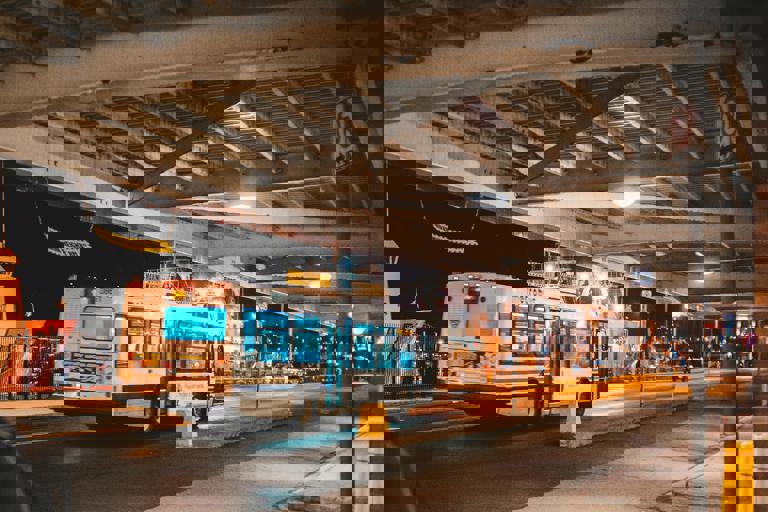
The streets are quieter than ever during the morning rush, thanks to a new fleet of electric buses silently gliding alongside other vehicles. Commuters across the city have begun to notice not only a reduction in noise but also a distinct difference in the quality of their daily journeys. As these buses replace older diesel models, they signal a significant step toward sustainable urban transport across the region.
Transport authorities have touted these new electric buses as a major stride in cutting carbon emissions. According to Transport for Public Mobility, each electric bus emits roughly 80% less greenhouse gas compared to standard diesel buses. This transition forms part of a broader strategy to reach net-zero emissions by 2050, an effort mirrored by cities internationally. For environmental advocates, such progress couldn't arrive soon enough.
Riders say the benefits extend beyond the environment. “It’s much smoother, and I don’t have to shout over engine noise while talking to my friend,” says Lila Bennett, a regular commuter. Many passengers echo her sentiments, highlighting how the quieter interiors allow for reading, phone calls, or simply enjoying a moment of peaceful reflection on the way to work.
Fleet operators also point to lower operating costs as a compelling incentive for the transition. Electric buses require less maintenance due to fewer moving parts and the absence of a conventional engine or gearbox. This leads to reduced downtime and fewer disruptions in service, ensuring a more reliable schedule for everyday commuters. The initial investment is offset by long-term savings in fuel and repairs.
City planners view the switch as a catalyst for wider change in public transportation habits. With quieter, more comfortable journeys, the hope is to entice more people out of private cars and onto public transport, thereby reducing traffic congestion and citywide pollution. These changes align with recommendations from the Department for Transport on improving urban air quality and livability.
Technological innovation underpins the success of these buses. Advances in lithium-ion battery capacity now enable electric buses to cover longer routes—sometimes up to 200 miles on a single charge. Charging infrastructure has also been upgraded, with new high-speed charging stations strategically positioned at key depots. This ensures buses can recharge rapidly during off-peak hours, maximising efficiency without compromising service.
However, integrating a new fleet has not been without its challenges. Some drivers underwent extensive retraining to learn the nuances of electric vehicle handling. Charlotte Singh, a driver with 15 years’ experience, remarks, “It took a little getting used to, especially the acceleration and braking, but now I prefer it. The smooth drive makes my shifts more enjoyable and less tiring.” Her view is increasingly shared among colleagues.
For residents living along major bus routes, the difference is pronounced even outside of rush hour. Reports have noted a dramatic decline in ambient street noise, particularly in densely populated neighbourhoods. This reduction, confirmed by recent monitoring from the Urban Sound Survey, contributes to improved sleep quality and overall well-being for communities often blighted by traffic din.
Air quality monitors installed along busy corridors have already detected substantial improvements. Preliminary data from the city’s Clean Air Programme indicate up to a 30% reduction in harmful nitrogen oxide levels where electric buses operate most frequently. Health experts suggest this could lead to fewer asthma attacks and respiratory complications, especially among children and elderly residents.
Public feedback has been overwhelmingly positive, with a recent survey by the City Passenger Association showing that 78% of respondents rated their electric bus experience as ‘better’ or ‘much better’ compared to diesel models. According to survey conductor Jacob Harris, “We’re seeing attitudes shift as people realise cleaner transport can also mean a better quality of life—not just for the environment, but for daily routines.”
The deployment of electric buses has also spurred new partnerships between government, manufacturers, and tech firms. Automotive engineer Dr. Emily Foster says that “collaborative efforts have accelerated breakthroughs, particularly in battery storage and power management systems.” Local start-ups, inspired by this public sector demand, have begun investing in related innovations, promising further advancements in the years ahead.
While the initial rollout has focused on high-traffic routes, officials confirm plans are underway to expand the electric fleet citywide. A phased approach, guided by real-time data and community feedback, is expected to deliver a full transition within the next decade. Some rural and suburban routes, currently reliant on older diesel vehicles, are earmarked as priorities for the next wave of electric adoption.
Financial backing for the initiative comes from a mix of national grant programmes and local investments. The government’s Green Transport Fund provides critical capital, while city councils contribute from sustainability budgets. These efforts, according to Transit Commissioner Oliver Grant, “represent a vital investment not only in cleaner transport but in the health and prosperity of our communities for generations to come.”