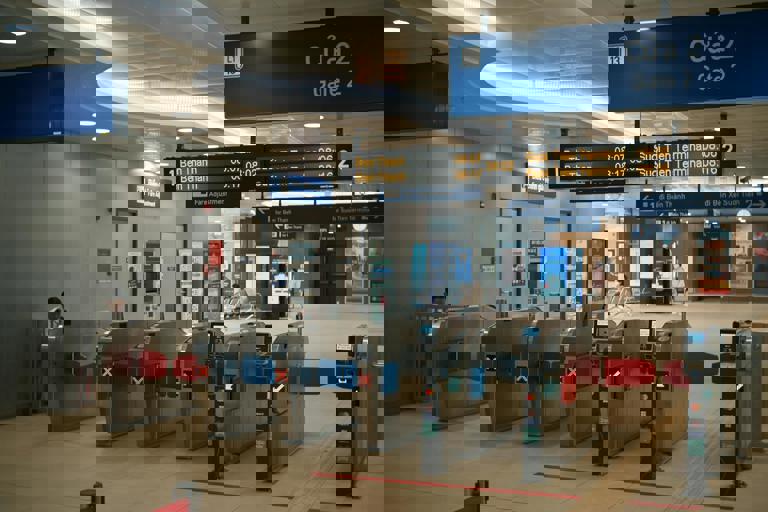
Transport for London (TfL) has initiated a stringent crackdown on fare evasion across the city’s vast tube network, leading to a significant uptick in on-the-spot fines. Armed with handheld ticket scanners and a visible presence at station gates, inspectors are targeting peak travel hours to catch fare dodgers in the act. The increased enforcement is part of a broader effort to combat growing losses impacting the capital’s public transport system.
In recent weeks, teams of uniformed inspectors have been deployed across major underground stations, surprising commuters with random ticket checks. According to TfL, these intensified patrols have already resulted in dozens of fines being handed out on the spot. The move signals a shift in approach, favouring immediate penalties over warnings in an effort to send a clear deterrent message to would-be fare evaders.
Official figures released by TfL indicate that fare evasion cost the organisation an estimated £130 million in lost revenue last year. That mounting deficit has put additional strain on operational budgets, prompting action to recover funds and protect the sustainability of the transport network. With London’s underground among the world’s most extensive, even minor increases in evasion rates can significantly impact overall income.
Station staff report that some passengers attempt to slip through gates behind paying customers, while others use counterfeit cards or tampered tickets. Emma Hawkins, a senior customer service manager at Victoria station, notes, “We see a range of creative tactics. Our job is to make fare evasion as difficult and risky as possible—people need to know there are real consequences.”
The penalties for fare dodging are substantial, with on-the-spot fines typically set at £80, which doubles to £160 if not paid within 21 days. For repeat offenders, cases may be escalated to magistrates’ court, where heavier financial penalties and even criminal records can result. TfL hopes that these strict measures will not only punish wrongdoers but also act as a powerful deterrent.
Public response to the crackdown has been mixed. While many commuters support tough action against fare evaders, some have expressed fears that genuine mistakes could be harshly punished. Transport campaigner Rajinder Singh acknowledges the necessity of tackling intentional fare dodging but urges “compassion and discretion for honest errors. Many people are struggling with the cost of living and could make innocent mistakes.”
TfL maintains that inspectors are trained to exercise judgment and distinguish between deliberate fraud and honest slip-ups. According to spokesman James Carter, “Our staff are encouraged to listen and investigate before issuing fines. Where clear evidence of accidental non-payment exists, passengers are often given the benefit of the doubt.” This balanced approach aims to maintain fairness while upholding system integrity.
Critics, however, argue that increased enforcement disproportionately targets lower-income travelers, who may be more likely to risk evasion due to economic hardship. A spokesperson from the London Poverty Alliance commented, “Rather than solely focusing on punitive measures, we urge authorities to address the root causes driving fare evasion—affordability and accessibility must be central to the conversation.”
As part of the crackdown, TfL has also ramped up communication campaigns, reminding the public of the importance of paying for travel. Posters and announcements across stations highlight the negative effects of fare evasion, from reduced service quality to fare hikes for law-abiding users. The aim is to foster a sense of shared responsibility and encourage honest behavior among all commuters.
Industry experts point out that London is not alone in grappling with fare evasion; cities worldwide face similar challenges. However, the capital’s size and passenger volume make it particularly vulnerable to revenue shortfalls caused by widespread non-compliance. TfL is reportedly exploring further technological solutions, including more sophisticated barriers and AI-based surveillance, to supplement manpower in future efforts.
For now, the message from transport officials is clear: fare evasion will no longer be tolerated. Through a combination of visible enforcement, tough penalties, and public awareness, they hope to curb the practice and ensure the network remains financially viable. As the crackdown continues, all eyes will be on whether these measures succeed in changing habits and restoring Londoners’ confidence in their public transport system.