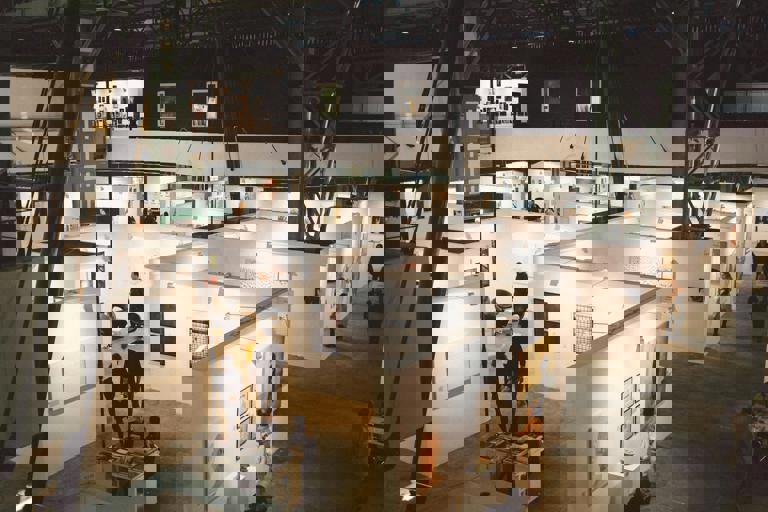
Art lovers and animation fans are flocking to a rare Studio Ghibli animation exhibition, which has quickly become one of the year's cultural highlights. The traveling collection, showcasing original artwork and meticulously detailed sketches from the beloved Japanese animation studio, is stirring excitement among both seasoned cinephiles and families with younger children. Organisers report a surge in attendance figures since the exhibition’s opening, highlighting widespread interest in Ghibli’s enduring legacy.
Studio Ghibli, founded in 1985 by filmmakers Hayao Miyazaki and Isao Takahata, is globally celebrated for crafting some of the most visually stunning and emotionally resonant animated films of all time. Classics such as “My Neighbour Totoro,” “Spirited Away,” and “Princess Mononoke” have garnered critical acclaim. This exhibition provides a unique glimpse behind the curtain, with visitors able to see the creative processes and artistic mastery that have captivated audiences for decades.
The exhibition features an array of rare pre-production materials, including hand-painted storyboards, background art, and character concept sketches. These pieces are seldom displayed outside Japan, making this event a rare opportunity for British audiences. “It’s incredible to see the layers of artistry up close,” remarked exhibition attendee Sarah Lang, a longtime Ghibli fan. “These works offer insight into the magic behind the movies.”
Visitors are encouraged to take their time examining each carefully curated piece, with detailed placards explaining the stories behind the artwork. Interactive stations are set up throughout the space, allowing enthusiasts to try their hand at traditional anime drawing techniques. The organizers note that these elements are designed to engage younger visitors while still offering an educational experience for teens, adults, and serious animation students.
Curators emphasize the significance of Ghibli’s hand-drawn style, which stands in contrast to the digital approaches dominating today’s animation industry. “The dedication visible in every pencil stroke is remarkable,” commented exhibition curator Mina Wells. “Ghibli’s commitment to handcrafted animation imbues their films with a warmth and authenticity that resonates across generations.” The exhibition serves as a reminder of the power of traditional artistic methods.
Critical analyses and interviews with studio artists running alongside the artwork provide deeper context into Ghibli's creative philosophies. For many, a highlight is the inclusion of rarely seen director’s notes, annotated scripts, and even early rejected concepts that reveal the evolution of some of the studio’s most iconic scenes. With each piece, the exhibition traces the journey from raw idea to animated masterpiece.
The collection also features a multimedia element, projecting short documentary clips and select film excerpts on large screens. These immersive installations envelop visitors in the sounds and colours of Ghibli’s world, enhancing appreciation for the painstaking work underlying each film. Many attendees, including film students and aspiring animators, linger in these sections, taking notes and absorbing lessons from the masters.
Beyond visual art, the exhibition explores the cultural and environmental themes that define Ghibli’s oeuvre. Panels discuss how films like “Nausicaä of the Valley of the Wind” and “Princess Mononoke” have inspired environmental activism and ecological awareness internationally. Educational programming, including lectures and guided tours, further delves into these timeless topics, creating a multifaceted cultural event.
The exhibition’s appeal is amplified by special events scheduled throughout its run, such as panel discussions with international animation experts, costume days for young visitors, and Ghibli-themed film nights. Such activities foster a sense of community among fans old and new. Organisers note that tickets for these side events are selling quickly, attesting to Ghibli’s popularity across demographic groups.
Local schools and family organisations have partnered with the exhibition to offer workshops and educational visits. Teachers and parents praise the event as a rare opportunity to combine entertainment with learning about art, storytelling, and world cultures. According to one primary school teacher, “Students are not only inspired creatively but are also learning about Japanese culture and environmental stewardship in ways that textbooks alone can’t provide.”
With its blend of art, animation history, and cultural education, the Studio Ghibli exhibition is inspiring visitors to rekindle their love for classic cinema and creative expression. As the exhibition continues its UK tour, organisers encourage everyone to seize the chance to experience Ghibli’s enchanting world up close. For fans and newcomers alike, this cultural event promises unforgettable glimpses into the landmark studio that changed the face of animation forever.