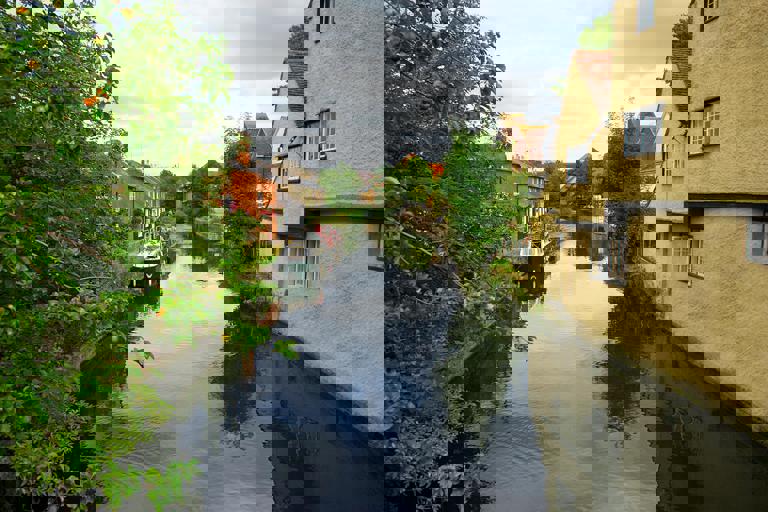
Residents of a well-known riverfront barge community have been thrown into upheaval after receiving abrupt eviction notices this week. The unusual residential enclave, where families and individuals have made homes on moored barges for years, faces an uncertain future following a heated dispute between the property owners and the local council. Many occupants are now scrambling to understand their rights and seek alternative arrangements after learning that their tenure may soon end.
The root of the issue appears to stem from a long-standing disagreement over lease agreements between the barge owners and the private company that controls the riverbank. According to documents seen by this newspaper, the lease allowing barges to remain moored had expired nearly six months ago. Efforts to negotiate terms for renewal faltered amid alleged rising fees and disputed maintenance obligations outlined by the landholders.
For decades, the barge community has been an integral feature of the river’s landscape, attracting attention not only for its unconventional setting but also for its tight-knit residents. People have established a unique riverside culture, complete with communal gardens, arts events, and mutual aid initiatives. “This isn’t just a place to live, it’s a community,” said Megan Turner, a resident of seven years. “We support each other in ways most neighbourhoods don’t.”
The local council, for its part, maintains that responsibility to enforce regulations falls to the private owners, but officials acknowledged the emotional and practical toll the situation is having on residents. Councillor David Pratt commented, “We are deeply concerned about the potential impact on families and vulnerable individuals. Our priority is to ensure they have access to appropriate support and legal advice during this challenging time.”
Several advocacy organisations have since rallied in support of the barge dwellers. The Riverside Residents Association has launched a petition calling on both the council and the property owners to pause all eviction proceedings until a fair, multilateral negotiation can take place. More than 1,300 signatures were gathered within the first 48 hours, highlighting public support for a measured resolution.
Legal advisors familiar with the case stress that riverfront leases are complex and often leave residents in precarious positions. James Harper, a solicitor specialising in property disputes, explained, “Unlike traditional tenants, many barge owners fall into grey areas of housing law. They can find themselves without the statutory protections available to conventional renters, making sudden evictions legally permissible in some circumstances.”
Some residents have begun considering their options, but relocating a barge is no simple task. Aside from the substantial logistical and financial challenges, many say suitable alternative moorings are scarce or prohibitively expensive. “We’re not talking about just picking up and moving to another flat,” said boat-owner Tom Singh. “Moving a barge is complicated, not to mention every riverbank could have different rules or fees.”
The property management firm has so far declined to comment directly to reporters but issued a brief statement via their legal team. They claim repeated attempts to communicate with residents about necessary lease updates and compliance checks, stating, “It is regrettable that these measures are required, however, we are acting within our rights as the legal custodians of the property in accordance with environmental and safety standards.”
As the deadline for the evictions looms, tensions have escalated, with some community members warning of possible protests or legal action should forced removals proceed. Local police say they are monitoring the situation but hope all parties can work towards a peaceful outcome. The council has pledged to mediate discussions where possible, though the next steps remain unclear as negotiations are reportedly ongoing.
Wider implications of the dispute are not lost on housing advocates and planners observing the case. The situation highlights growing anxieties over unconventional housing forms and the security, or lack thereof, afforded to their residents. Experts argue that as cities face intensifying housing pressures, alternative solutions like barge living must be properly supported and protected to prevent sudden crises like this from recurring.
For now, life continues on the riverfront, with residents determined to remain unified in their response. Community organiser Helen Croft summarised the prevailing sentiment: “We’re devastated but not powerless. We hope reason and compassion will prevail, and that our way of life can be saved—not just for us, but as an example of creative, sustainable urban living.” The coming weeks will prove critical in determining the fate of the barge community and perhaps set a precedent for similar enclaves elsewhere.