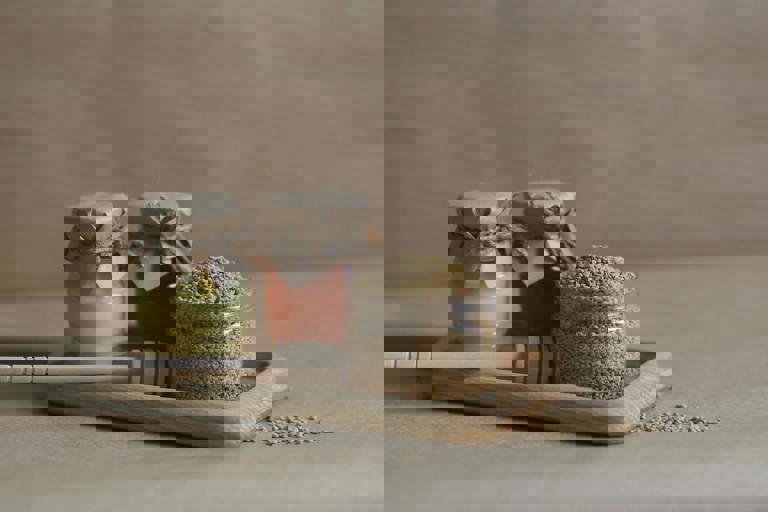
This summer has seen a distinctly sweet development in local shops, as jars of fresh honey, harvested from rooftop apiaries, have started appearing on independent store shelves. Urban beekeeping initiatives have taken off in recent years, but this season’s successful harvest marks a significant milestone for the community. The project is not just about honey production; it also aims to support biodiversity within densely built-up areas, drawing attention from residents keen to understand the process from hive to jar.
The rooftop apiary project was launched by a dedicated group of urban beekeepers united by a shared commitment to sustainability. Working atop apartment buildings and commercial sites, these enthusiasts manage colonies of bees in specially designed hives. Each site requires careful placement to provide the bees with access to flowering plants from parks and gardens while ensuring minimal disruption to building occupants below. The collective effort has created a unique ecosystem high above the bustling streets.
Harvesting honey in urban environments presents unique challenges and rewards for beekeepers. Unlike traditional rural settings, city bees must navigate a patchwork of green spaces and rooftops to gather nectar. According to project coordinator Rebecca Shaw, “Our bees are incredibly resilient. They’ve thrived thanks to local wildflowers and the small gardens scattered throughout the city.” Shaw’s enthusiasm is echoed by many participants who note that urban honey is often more complex in flavour than standard commercial varieties.
With the project’s first major harvest now complete, approximately 500 kilograms of honey have been processed and packed. Local shop owners have embraced the opportunity, dedicating shelf space to these distinctly labelled jars marked with neighbourhood landmarks and hive origins. John Patel, owner of an independent food store, said, "Customers are curious about the story behind the product, and they love the idea of supporting something so local. It’s really encouraged repeat purchases."
Beyond providing a delicious new addition to store shelves, the rooftop apiary initiative has become a focal point for community engagement and education. Workshops and open hive days have attracted families and school groups, offering a rare glimpse into the life of bees in the city. Children and adults alike leave these sessions with a newfound appreciation for pollinators and a greater awareness of how urban environments can play a role in conserving them.
The benefits of urban beekeeping extend beyond honey production. Bees are essential pollinators, and their presence supports the growth of flowers, vegetables, and trees throughout the city. Environmentalists have praised the project for boosting local biodiversity. Dr. Helen Morris, an ecologist, explains, “Urban pollinator projects like this one create green corridors that allow not just bees, but many species to thrive in built-up areas.”
Health-conscious consumers are also embracing the arrival of rooftop honey. Unpasteurised and minimally processed, the honey retains its natural enzymes and flavour profile. Nutritionist Claire Sanderson notes that local honey can offer trace amounts of pollen and micronutrients, sometimes preferred by those seeking more natural sweetening options. “It’s wonderful to see products sourced so close to home making their way into the community,” she adds.
Despite the positive outcomes, urban beekeeping ventures face ongoing challenges. Finding suitable rooftop locations, securing funding for hive maintenance, and ensuring responsible beekeeping practices remain top priorities for organisers. There are also concerns about the potential impact on local wild bee populations, which the project leaders continue to monitor closely in collaboration with conservation groups. So far, careful planning has allowed the initiative to flourish without negative effects.
Looking ahead, organisers plan to expand the project by introducing more hives across additional rooftops and encouraging other neighbourhoods to participate. An online map is under development, which will allow residents to trace their jar of honey back to specific hive sites. Plans also include partnerships with local schools to integrate beekeeping and pollinator-friendly gardening into science curricula, further deepening community involvement.
As jars of golden honey find their way onto breakfast tables and into kitchens, they serve as both a testament to collaboration and a reminder of the vibrant, hidden ecosystems within the city. Urban beekeeping, once seen as a niche pursuit, is now a celebrated contributor to neighbourhood culture, sustainability, and flavour. Community members and organisers alike are optimistic that this season’s harvest is just the beginning of a genuinely sweet tradition for years to come.